
Listening With Context in New Orleans
A respectful way to connect jazz history, neighborhood institutions, live rooms, and public traditions.
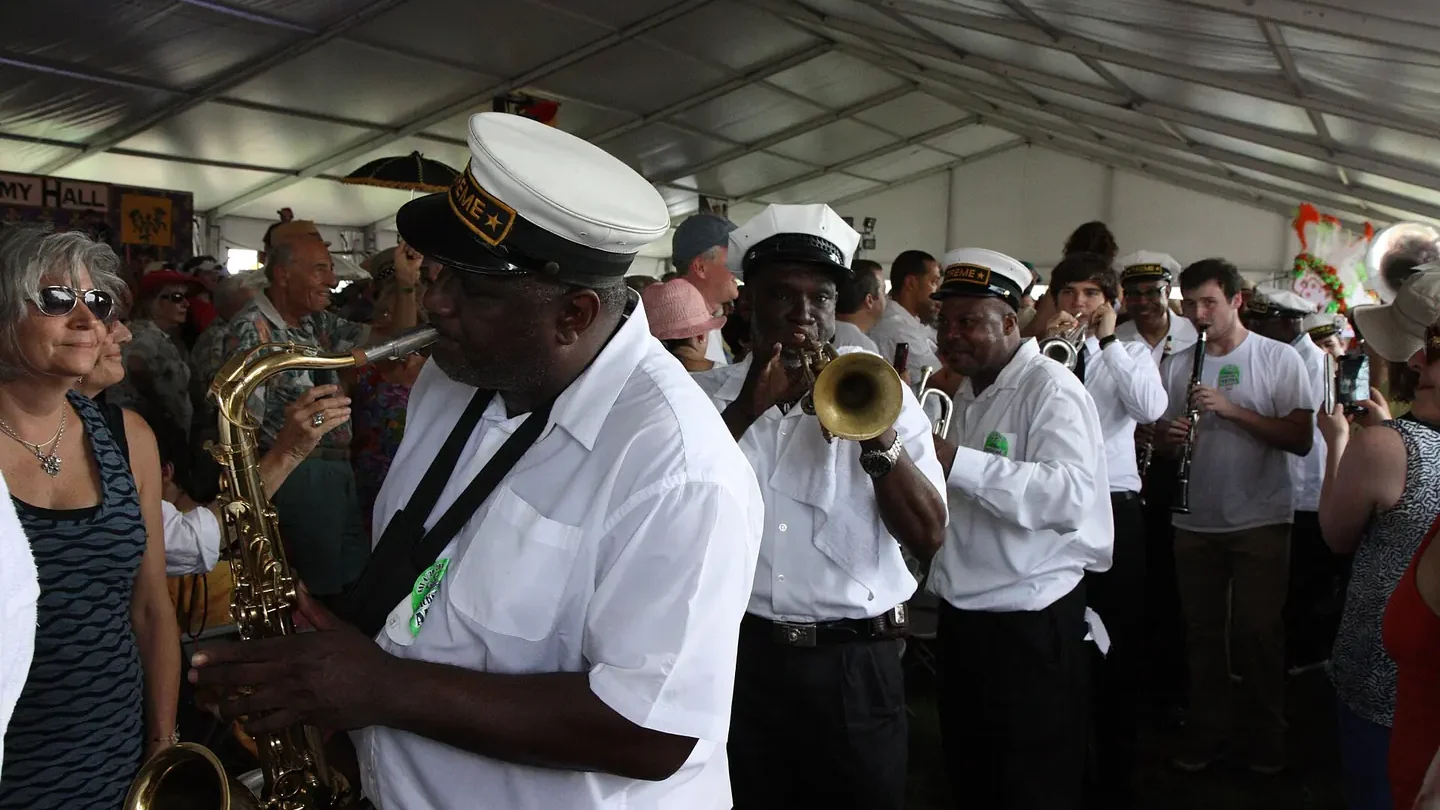
Music in New Orleans is not a soundtrack applied to a tourism district. It is practiced through families, schools, churches, social aid and pleasure clubs, venues, parades, rehearsal rooms, recording, and neighborhood networks. A respectful listening plan begins by learning enough context to understand what the performance is connected to.
Begin with history, then listen live
The New Orleans Jazz National Historical Park and the New Orleans Jazz Museum offer a grounded introduction to the cultural exchanges and community institutions that shaped jazz. That history helps a visitor hear a live performance as more than a set of familiar symbols.
Choose rooms, not a checklist
Select a mix of settings: a museum or educational program, a listening room, a neighborhood venue, and, when appropriate, a public event. Confirm current programming directly. Arrive on time, understand cover and drink policies, and pay attention to whether photography is welcomed.
Learn what an ensemble is doing
New Orleans jazz history is often introduced through collective improvisation: multiple musical lines moving at once while remaining responsive to one another. A visitor does not need technical training to notice exchange. Listen for who states a phrase, who answers, when the texture thins, and how rhythm changes the room. The goal is attention, not proving expertise.
Different generations and genres continue to develop across the city. Do not demand that every performer reproduce an early-jazz sound for a visitor’s idea of authenticity. Read the program, learn the artists’ names, and let the musicians define their own work.
Second lines require context
Social aid and pleasure club parades emerge from community traditions. Follow organizer and marshal guidance, keep funeral observances free of tourist intrusion, and do not turn participants into anonymous content. When public participation is invited, join without blocking the route or the band.
Plan one history stop and one live room
A museum, archive, ranger program, or guided history walk gives the night a foundation. A live room then makes clear that the tradition is not preserved behind glass. Put enough time between the two to eat, rest, and move across the city without arriving late.
Venue schedules, age restrictions, accessibility, ticket rules, and set times are current information. Verify them directly. A guide can explain why a place matters without promising who will be on stage.
Photography is not automatic permission
A phone held above a crowd can block another person’s view. A flash can disrupt musicians. A funeral procession or private community moment may not be an appropriate subject at all. Watch what the venue and participants signal. When photographs are allowed, take a few deliberate frames, then return attention to the performance.
Caption the artist and setting accurately. “Jazz player in New Orleans” erases information that is both useful and respectful. If you cannot identify a person, avoid publishing a close portrait as generic travel texture.
Support the people doing the work
Buy tickets, tip when appropriate, purchase music directly, and credit performers correctly. A useful memory of a night includes the artist, venue, neighborhood, and context, not only the instrument in the photograph.
Keep the route realistic
One afternoon program and one evening set may be a fuller music day than four rushed venues. Account for transit, queues, weather, meals, and the possibility that a room reaches capacity. Keep a nearby alternative, but do not treat performers as interchangeable inventory.
At the end of the trip, note the connections you heard: a rhythm discussed in a museum, a name that appeared on two programs, a neighborhood institution supporting younger players. Those relationships are more durable than a ranking of clubs.
Carry the context forward
After the trip, follow the artists and institutions through their own channels. Look for recordings, educational programs, oral histories, and future performances. A guide can open a door, but ongoing support should return to the people and organizations maintaining the work.
Keep following the city
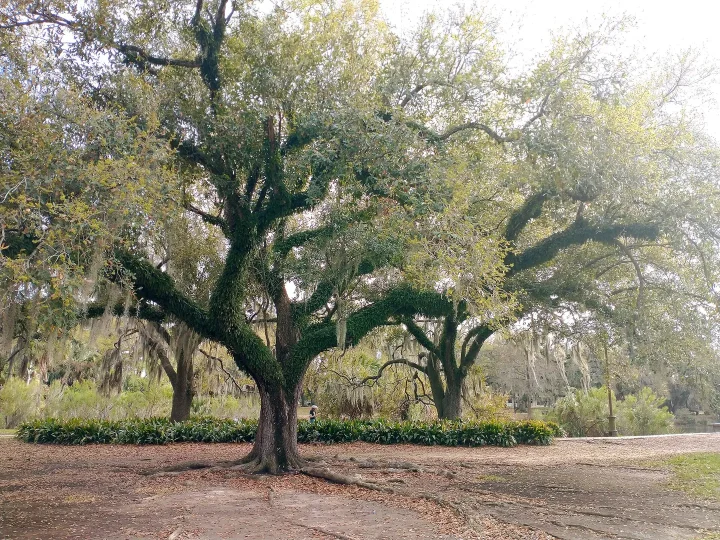
Where to Stay in New Orleans by Trip Rhythm
Choose a base by walking patterns, evening plans, quiet, transit, and neighborhood tradeoffs, not invented inventory.
Read the guide
What to Notice at the New Orleans Table
Move beyond a dish checklist by paying attention to process, dining room, neighborhood, sources, and changing menus.
Read the guide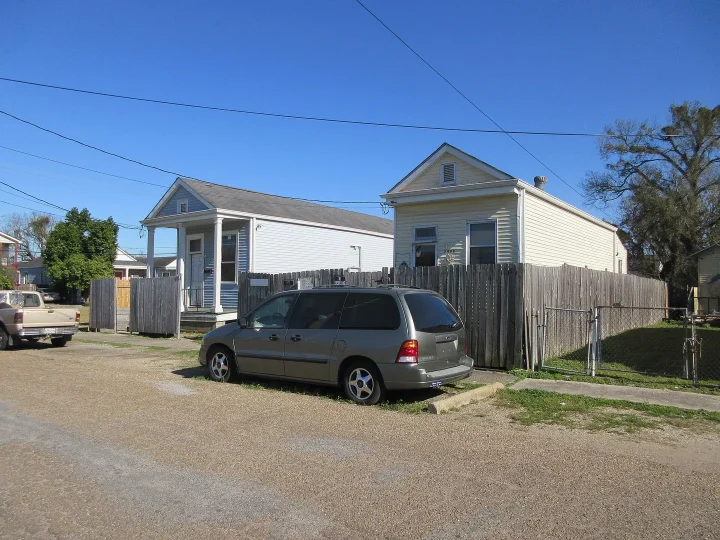
A Street-Level Guide to New Orleans Architecture
How to notice lots, passages, galleries, materials, climate response, and building types without flattening the city into balcony shorthand.
Read the guide