
Where to Stay in New Orleans by Trip Rhythm
Choose a base by walking patterns, evening plans, quiet, transit, and neighborhood tradeoffs, not invented inventory.

Choosing where to stay in New Orleans is a decision about trip rhythm, not a contest for the single best neighborhood. The right base depends on how often you want to walk, where your evening plans are, whether quiet matters, and how you will handle heat, rain, luggage, and late transportation.
French Quarter and nearby downtown
This area can reduce travel time for first-time sightseeing, but block-by-block conditions vary. Compare the exact address with planned evenings, loading access, sound expectations, and current guest information.
Ask whether the room faces a street, courtyard, service area, or interior shaft. A romantic district label cannot answer a sleep question. If step-free access, elevator dimensions, or an accessible bathroom matters, confirm the exact room category and route from entrance to room.
Central Business and Warehouse Arts districts
Larger hotels and adaptive-reuse properties can provide access to museums, the convention area, restaurants, and multiple transit options. The atmosphere changes quickly across major streets, so map the walking route rather than relying on a district label.
This can be a practical base for travelers dividing time between downtown, the river, and upriver routes. Compare destination fees, parking, breakfast, pool access, and check-in policies in the total cost rather than only the first nightly figure.
Upriver options
Garden District, Lower Garden District, Uptown, and adjacent areas may suit travelers who prefer a residential or neighborhood base. Transit can be part of the experience, but it should not be treated as a guaranteed fast connection for every appointment.
Map the walk to the nearest transit stop in both daylight and after an evening plan. A property described as “near St. Charles” may still involve several blocks, uneven paving, heat, or rain. Decide whether that walk supports the trip or becomes friction every day.
Marigny and Bywater
These areas may appeal to visitors focused on live music and a smaller-scale streetscape. Respect residential quiet, check late-night transportation, and distinguish a licensed lodging from an informal listing.
Do not assume that proximity to one venue makes every destination walkable. Plan the return trip before the first set begins. Travelers who need a quiet room should ask about the exact building orientation and nearby programmed spaces.
Match the base to the itinerary
| Priority | Question to ask | Useful evidence |
|---|---|---|
| Walking | Which planned places are within a comfortable route? | Exact address, crossings, shade, surface, and current construction. |
| Night plans | How will you return after the final set or meal? | Current transit, licensed ride options, and venue guidance. |
| Quiet | What does the room face? | Property confirmation for the specific room type. |
| Accessibility | Is the complete route usable? | Entrance, lift, corridor, room, bathroom, and emergency details. |
| Total cost | What is included and refundable? | Taxes, fees, deposits, parking, breakfast, and cancellation terms. |
Know what live inventory must provide
A useful hotel card needs a real property name, photograph, location context, current price or price status, rating source, review count, availability, and a booking link returned by the connected provider. If those fields are absent, the site should show a planning fallback rather than invented examples.
Once Nuitee inventory is configured, the theme is prepared to style provider cards in the same River Room system as tours. The provider still owns selection, data, booking terms, and transactions. The guide owns only context and presentation.
Compare without invented inventory
Until live hotel inventory is connected, this guide does not display fabricated rates, ratings, or availability. Use the neighborhood framework to narrow the search, then verify the property, room, accessibility details, taxes, cancellation terms, and total price with the booking provider.
Still comparing Sightseeing?
Ask for tour ideas, hotel suggestions, or a simple trip plan that combines both.
Trip Helper
Keep a restore option
Weather, maintenance, and travel disruption can change a lodging plan. Save the provider’s confirmation, understand the cancellation window, and know how to reach the property through its official channel. Do not send booking credentials or payment details through this guide’s contact form.
Keep following the city

What to Notice at the New Orleans Table
Move beyond a dish checklist by paying attention to process, dining room, neighborhood, sources, and changing menus.
Read the guide
Listening With Context in New Orleans
A respectful way to connect jazz history, neighborhood institutions, live rooms, and public traditions.
Read the guide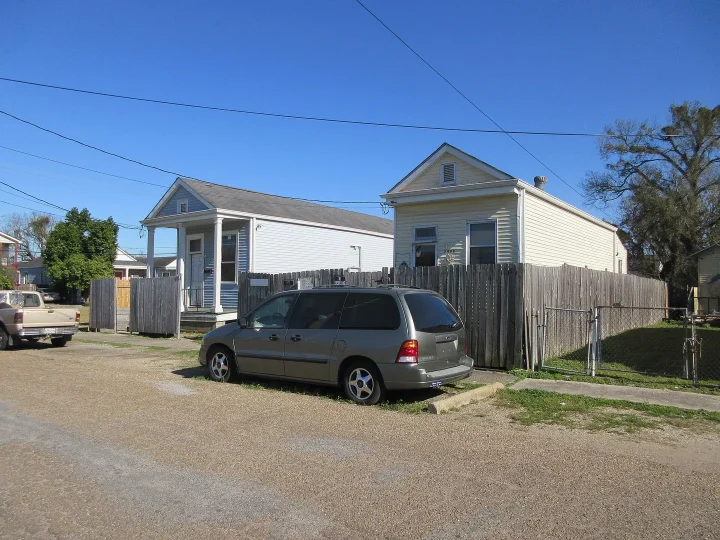
A Street-Level Guide to New Orleans Architecture
How to notice lots, passages, galleries, materials, climate response, and building types without flattening the city into balcony shorthand.
Read the guide